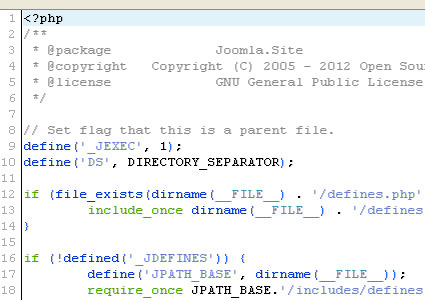
The packages mentioned above are application suites built for different operating systems. For instance, LAMP is the Apache webserver, MySQL database and PHP all installed on a Linux server. WAMP is the same software installed on a Windows server and MAMP is installed on a Mac.
The software works together in the background to serve up what appear to be "regular" web pages. In the past, the vast majority of websites served up what was known as static websites, which meant the content didn't change until the website developer changed it manually. PHP allows us to build dynamic websites that can interact with users in real time and change based on the programming of the site plus what is stored in a database.
The beauty of the way this all works is that website owners running Joomla don't need to know anything about this setup. It's very possible, and even desirable for some, to find good, inexpensive hosting to manage everything aside from their Joomla site. It is always good to know something about the platform you're running on, but in depth knowledge is not required.
{jb_purplebox} For more information on hosting and other Joomla! resources, check our recommended Resources page. {/jb_purplebox}